Telehealth Compliance
State Telehealth Parity Laws and What They Mean for Billing
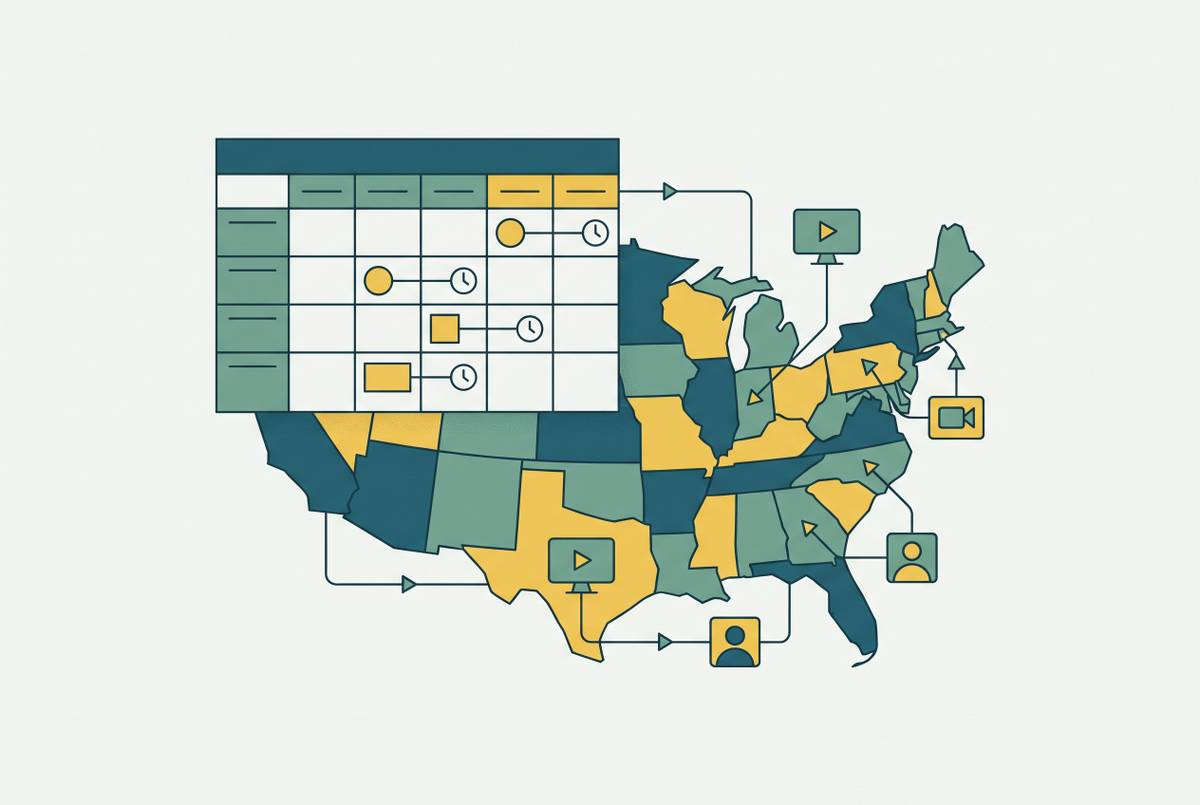
States are splitting payment parity protections unevenly, reshaping how telehealth claims get paid.
Meera Sundaram
Senior Writer · · 10 min read
States are splitting payment parity protections unevenly, reshaping how telehealth claims get paid.
Federal rules keep extending pandemic telemedicine prescribing permissions into 2026.
All four compliance layers must work together, or none of them matter.
A data migration strategy that matches clinical need to technical approach.
Telehealth practices need downtime plans built for their dependencies, not hospital workflows.
Platforms need deliberate configuration to handle group visit scheduling at scale.
Clinicians need device data structured in their EHR, not just transmitted to it.
Hospitals built patient portals, but most patients still aren't using them consistently.
Integrative practices need EHRs built for their complexity, not general systems forced to fit.
Real-time license verification at booking prevents the compliance gap that grows with scale.
Most EHRs built for brick-and-mortar clinics fail virtual-first practices.
Documentation must stand alone as the entire clinical encounter, without a live provider to clarify.